
Favorite Dryer Vent Installation Products To Enhance Safety and Durability
Learn about trusted tools and materials that ensure your dryer vent is properly installed and protected from common issues.
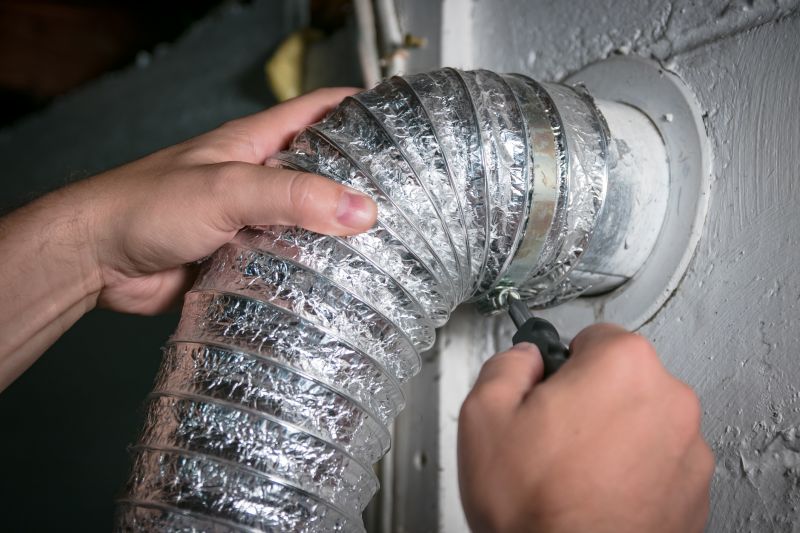 Installing a dryer vent correctly is essential for ensuring safe and efficient operation of a clothes dryer. Proper venting helps to prevent lint buildup, reduce fire hazards, and improve dryer performance. When selecting products for dryer vent installations, it is important to consider the compatibility with your existing setup, the ease of installation, and the durability of the materials used. A well-designed venting system can also minimize energy consumption and extend the lifespan of your appliance.
Top Overall Option
Flexible Aluminum Dryer Vent Hose
A flexible aluminum vent hose offers a versatile solution suitable for various installation scenarios. Its lightweight design and ease of maneuverability make it a popular choice for connecting the dryer to the vent outlet. The aluminum material resists crushing and maintains airflow efficiency, while its flexibility allows for easier installation in tight or awkward spaces. Ensuring a snug fit and proper sealing can help optimize performance and safety.
Types of Products For Dryer Vent Installations
Rigid Metal Ducts
Durable and resistant to crushing, rigid metal ducts provide a sturdy pathway for air and lint to escape. They are often recommended for long or straight runs due to their smooth interior surface that minimizes airflow resistance.
Flexible Aluminum Hoses
Flexible aluminum hoses are easy to install and adapt to various spaces. They are lightweight and bendable, making them suitable for tight corners and complex layouts.
Semi-Rigid Metal Ducts
Offering a balance between flexibility and rigidity, semi-rigid ducts are easier to install than rigid ducts while providing better airflow than fully flexible options.
Plastic Vent Covers
Plastic vent covers are used to prevent debris and pests from entering the duct while allowing airflow. They are typically installed at the exterior vent opening.
Metal Vent Caps
Metal vent caps provide a durable barrier at the exterior vent, often featuring louvers or flaps to prevent backdrafts and entry of pests.
Wall Thimbles
Wall thimbles create a secure and insulated passage through exterior walls, reducing the risk of air leaks and moisture intrusion.
Elbows and Connectors
Elbows and connectors help navigate corners and junctions in the venting system, ensuring smooth airflow and reducing lint buildup.
Vent Adapters
Adapters facilitate connections between different duct sizes or types, ensuring compatibility across various components.
Foam Insulation Sleeves
Insulation sleeves help prevent condensation and reduce heat loss along the duct, especially in long runs or cold environments.
Lint Traps
Lint traps capture lint particles before they enter the vent system, aiding in maintenance and reducing fire risk.
Wall Mount Brackets
Brackets secure the vent duct to walls or ceilings, providing stability and preventing sagging or disconnection.
Extension Kits
Extension kits are used to lengthen existing vent ducts, making it easier to reach exterior vents or adapt to new layouts.
Popular Choices
Semi-rigid ducts are frequently chosen for their balance of flexibility and durability, suitable for many installations.
These hoses are common due to their ease of installation and adaptability to different spaces.
Exterior vent caps made of metal are widely used for their longevity and effective pest blocking.
Wall thimbles are popular for creating a secure connection through exterior walls, reducing leaks.
Elbows are frequently selected to navigate corners efficiently within the ducting system.
Lint traps are often used to enhance safety and ease maintenance by catching lint particles early.
Plastic covers are a common choice for exterior vents due to their affordability and ease of installation.
Extension kits are frequently used to adapt existing venting systems to new configurations or longer distances.
Elbows are a common component to help route the duct around obstacles or corners.
Different environments and installation configurations require a variety of venting solutions. For instance, long runs or multiple bends may necessitate specialized ducting that minimizes airflow resistance. Additionally, choosing the right vent cap or cover can prevent debris and pests from entering the duct while allowing for proper airflow. Regular maintenance and inspection of the vent system are recommended to keep it functioning optimally.
Safety standards and building codes should always be kept in mind when selecting products for dryer venting. Using components that meet industry safety guidelines helps to ensure that your installation remains compliant and reduces potential hazards. Whether you're installing a new vent or upgrading an existing one, selecting high-quality, compatible parts is key to achieving a reliable and safe setup. Properly installed venting not only improves dryer efficiency but also contributes to a safer home environment.
Key Buying Considerations
- Material durability and resistance to crushing or kinking
- Compatibility with existing venting components and duct sizes
- Ease of installation and flexibility for complex layouts
- Indoor versus outdoor use and weather resistance
- Compliance with local building codes and safety standards
- Airflow efficiency and minimizing resistance
- Pest prevention features such as mesh screens or louvers
- Ease of maintenance and cleaning access
- Sealants or clamps needed for secure connections
- Length and flexibility for long or convoluted runs
- Insulation options to prevent condensation
- Aesthetic considerations for exterior appearances
- Cost and availability of replacement parts
- Compatibility with dryer exhaust specifications
- Vent cap features like backdraft prevention